Orangeries for Listed Buildings: How to Add Space Without Harming Character
When you own a listed building or period property, the desire to expand your living space often clashes with the need to preserve architectural heritage. It’s a challenge that many homeowners face, wanting modern comforts and additional room while respecting the historical significance of their home. This is where orangeries for listed buildings become the perfect solution.
Unlike standard conservatories or contemporary extensions, a thoughtfully designed orangery can seamlessly blend period aesthetics with practical functionality. In this comprehensive guide, we’ll explore how you can add valuable living space to your listed property without compromising its character, charm, or conservation credentials.
Understanding Listed Buildings and Extension Regulations
A listed building is one that has been officially recognised as being of special architectural or historical importance. Listed buildings fall into three categories depending on their preservation status: Grade I, Grade II* and Grade II, with Grade I being the strictest category.
The listing designation means that any alterations, including extensions, require Listed Building Consent in addition to standard planning permission. This isn’t merely bureaucratic red tape; it’s a protective framework designed to preserve our architectural heritage for future generations.
Why Conservation Matters for Period Properties
Period properties tell stories. Whether your home dates from the Victorian era, Georgian times, or the Arts and Crafts movement, its original design reflects the architectural principles, materials, and craftsmanship of its time. When you construct an extension to a heritage property, you’re adding a new chapter to that story.
The key is ensuring your extension reads as a sympathetic addition rather than an incongruous afterthought. This is where specialist knowledge becomes invaluable.
Why Orangeries Are Ideal for Listed Buildings
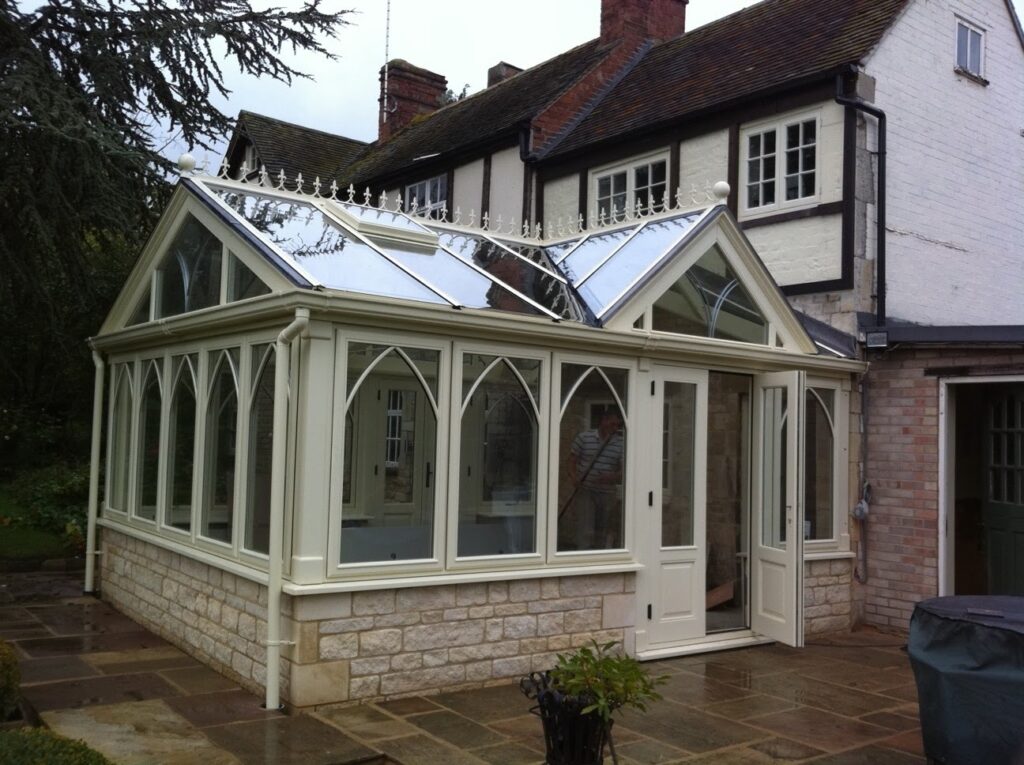
An orangery extension differs fundamentally from a standard conservatory. Traditionally, orangeries featured solid roofs with roof lanterns or glazed sections, rather than the predominantly glazed roofs typical of modern conservatories. This characteristic makes them particularly suited to listed properties.
Here’s why:
Structural Integrity: The solid roof structure provides better thermal performance and allows for more traditional construction methods that conservation officers prefer.
Aesthetic Compatibility: Orangeries complement period architecture naturally. Their proportions, materials, and design language echo historical building practices.
Flexibility: You can design an orangery that genuinely enhances your listed building rather than detracting from it.
Listed Building Credentials: Conservation officers tend to be far more receptive to orangery proposals than to extensive glazed conservatory projects on heritage properties.
Distinguishing Orangeries from Conservatories
The distinction matters when dealing with listed building regulations. A traditional orangery features:
- A solid roof structure, typically with decorative cornicing
- Roof lanterns or glazed sections for natural light
- Substantial masonry walls, often matching the existing property
- Integrated guttering and drainage systems
- More substantial foundations suited to period construction
In contrast, modern conservatories typically feature:
- Predominantly glazed roofs
- Lightweight aluminium or PVCu frames
- Simpler construction methods
- Minimal thermal mass
For listed buildings, the orangery’s more substantial, traditionally inspired approach aligns far better with conservation principles.
Materials: Respecting Period Authenticity
Natural Stone and Brick
The external walls of your orangery should complement your existing property’s material palette. If your listed building features natural stone, your orangery should incorporate matching stone from the same quarry if possible, or closely sympathetic alternatives.
Brick properties benefit from using reclaimed or reproduction bricks that match the colour, texture, and mortar profile of the original building. This attention to detail demonstrates respect for the property’s heritage and significantly improves your chances of securing Listed Building Consent.
Timber Frames and Glazing Bars
Timber framing is essential for authentic period extension design. Hardwoods like oak provide both structural integrity and aesthetic authenticity, whilst softwoods offer cost-effective alternatives when properly specified.
The glazing bar pattern, the framework that divides the windows into smaller panes, is also important. Conservation officers will expect your orangery to feature:
- Appropriate glazing bar profiles: Typically thinner, more delicate proportions than contemporary double-glazing frames
- Sympathetic patterns: Matching the existing fenestration rhythm of your property
- Authentic materials: Timber is almost always preferred for listed buildings over plastic or contemporary materials
Specialist glazing manufacturers can replicate period bar patterns precisely, ensuring your orangery’s windows harmonise with original sash windows or period casements.
Roof Materials and Finishes
The roof is one of the most visible elements of your extension. For listed property extensions, roofing materials should match or closely complement existing coverings:
- Slate roofs: Require slate for the orangery, sourced to match original specifications
- Clay tile roofs: New clay tiles should replicate the colour, texture, and weathering characteristics of existing tiles
- Lead or traditional standing seam: For properties with these premium coverings, replicating them demonstrates serious commitment to authenticity
The roof pitch and profile should also align with your existing building’s roofline, creating visual continuity rather than obvious contrast.
The Roof Lantern Consideration
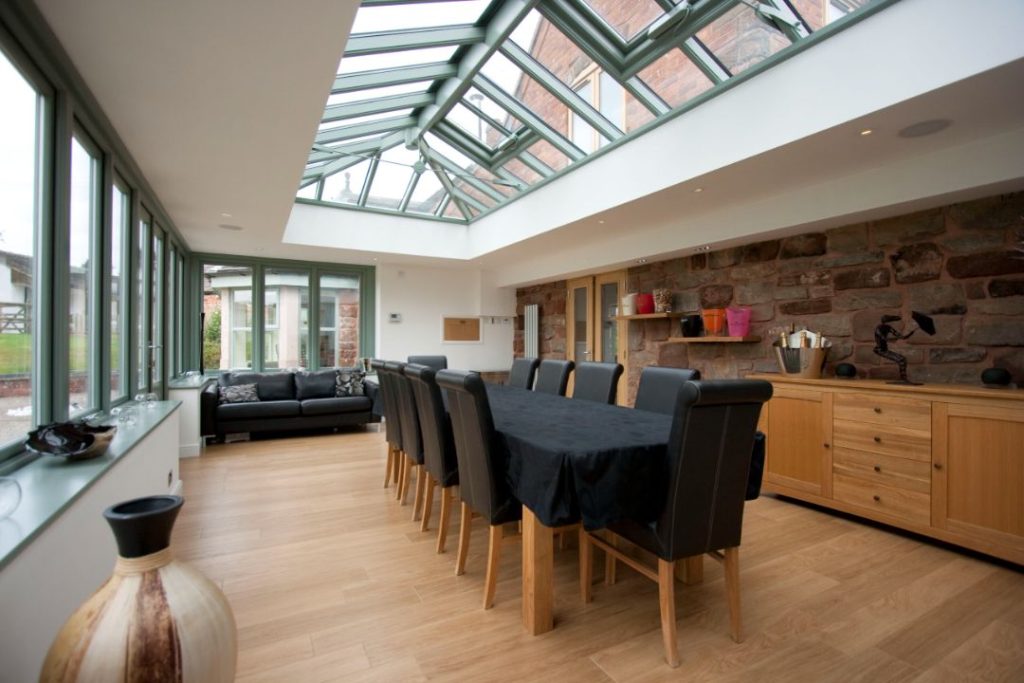
The roof lantern is perhaps the most distinctive feature of a traditional orangery design. Rather than a fully glazed roof, a lantern, a rectangular or square glazed structure, sits atop a solid roof section.
Benefits for listed buildings include:
- Visual proportion: Lanterns typically occupy under half the roof area, maintaining the “solidity” conservation officers expect
- Authentic aesthetics: They echo Georgian and Victorian orangery designs
- Practical light: They provide excellent natural illumination without the thermal penalties of fully glazed roofs
- Traditional detailing: Decorative cornicing and architectural details can frame the lantern authentically
Understanding the Consent Process
Securing Listed Building Consent requires demonstrating that your proposed orangery respects the building’s character and heritage significance. This is fundamentally different from standard planning permission.
The Listed Building Consent Process typically involves:
1. Pre-application consultation: Discussing your proposals with the conservation officer before formal submission
2. Detailed design drawings: Showing elevations, sections, materials, and how the orangery integrates with existing architecture
3. Heritage statement: Explaining how your design respects the building’s period and character
4. Material specifications: Confirming timber types, glazing specifications, and roofing materials
5. Formal application: Submitting comprehensive documentation for official consideration
6. Officer assessment: The conservation officer evaluates your proposal against Listed Building Consent criteria
7. Decision: Approval, conditional approval, or refusal
As you can see, orangeries are an excellent option when you want to extend a Listed building. If you live in a heritage property and you’d like to increase your living space, the team at Orangeries UK can help. For more information about our bespoke orangeries call 01296 714 314 or contact us online.