Orangery Planning Permission: A Practical UK Guide for Homeowners
At Orangeries UK, we’ve guided countless homeowners through the planning permission process over the past decade. Whether your dream orangery requires formal approval or falls under permitted development rights, understanding the rules now could save you time, stress, and unexpected costs later.
In this blog, we’ll walk you through everything you need to know about orangery planning permission in the UK from size restrictions to conservation area considerations, and how we can support you throughout the application process.
Understanding Orangery Planning Permission in the UK
Before we look into the specifics, let’s clarify what we mean by an orangery and why planning rules exist around them.
An orangery is a substantial glazed garden structure, think of it as something between a conservatory and a solid-walled extension. It typically features a roof with timber glazing panels, decorative timber frames, and often a modest solid roof lantern. These aren’t quick weekend projects; they’re permanent garden additions that blend indoor and outdoor living spaces beautifully.
The reason planning authorities take interest in orangeries is straightforward: they’re building works that impact your home’s appearance, the neighbourhood’s character, and the use of your property. Whether you need orangery planning consent depends on several factors, which we’ll explore in detail.
Do You Need Orangery Planning Permission?
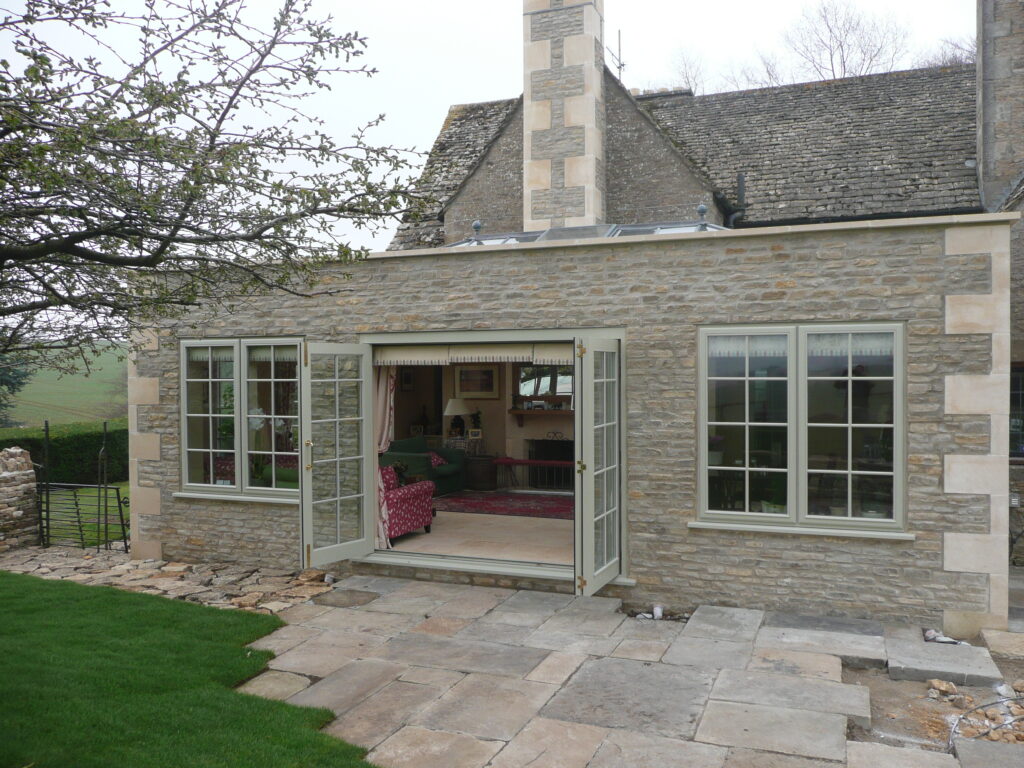
Here’s the reality: not all orangeries require planning permission, but many do. The distinction lies in something called permitted development rights.
What Are Permitted Development Rights?
Permitted development is a legal framework that allows homeowners to undertake certain building works without submitting a formal planning application. It’s essentially pre-approved development, granted by the government to simplify the process for minor works.
If your orangery falls within permitted development guidelines, you’re in luck – you can proceed without the lengthy planning application process. However, step outside those boundaries, and you’ll need formal orangery planning consent from your local authority.
The key factors determining whether your project qualifies are:
- Size and dimensions of the orangery
- Height restrictions relative to your existing home
- Distance from property boundaries
- Location (including conservation areas and listed building status)
- Percentage of garden coverage
Let’s take a closer look at how the dimensions of your orangery can affect planning permission requirements.
Size Limits: Understanding the Boundaries
Size is perhaps the most important consideration when determining whether you need planning permission for an orangery.
Permitted Development Size Restrictions
Under current UK permitted development rules, a single-storey orangery or conservatory can generally be built without planning permission if it meets these criteria:
The orangery must not exceed:
- 50% of the area of the ground storey (or what remains after other extensions)
- A depth of 4 metres from the original wall of the dwelling (measured externally)
- A height of 4 metres (or 3 metres in some cases, depending on the type of roof)
This means a modest orangery on many properties will qualify for permitted development. However, if your desired orangery exceeds these dimensions, you’ll need formal orangery design approval through the planning system.
Height Considerations in Practice
In reality, height becomes an aesthetic issue as much as a regulatory one. A four-metre orangery can feel imposing against a modest two-storey home. Conversely, it might be perfectly proportionate to a larger property.
Planning officers will consider:
- Visual impact on the streetscape
- Relationship to neighbouring properties and potential overshadowing
- Character alignment with your area
- Balancing visual proportions with your existing dwelling
At Orangeries UK, our design consultation process considers these aesthetic factors alongside hard regulations. We’ve helped countless homeowners understand how height impacts both planning decisions and the overall appearance of their properties.
Conservation Areas and Listed Building Implications
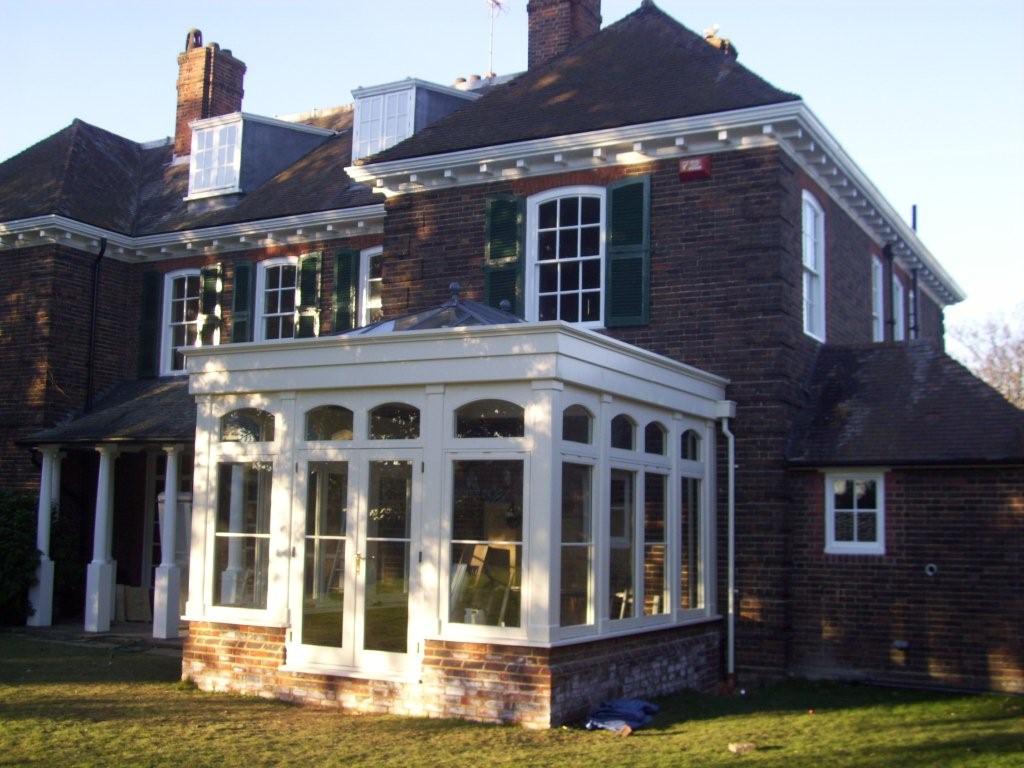
If your property sits within a conservation area or is itself a listed building, orangery planning rules change significantly. These protections exist because your home contributes to the character and heritage value of your area.
Conservation Area Restrictions
Conservation areas receive special planning protection. The government recognises these neighbourhoods have distinctive architectural or historical character worth preserving.
Within a conservation area:
- Permitted development rights are more restricted than elsewhere
- Planning permission is required for extensions that would ordinarily qualify elsewhere
- Design considerations become paramount – officers will scrutinise visual impact carefully
- Materials and finishes matter – authenticity and appropriate styling are assessed rigorously
An orangery that would qualify for permitted development in a standard suburban area might require full planning permission in a conservation area. This isn’t bureaucratic obstruction; it’s about protecting what makes your neighbourhood special.
Listed Building Considerations
Listed buildings receive the highest level of protection. These are structures officially recognised as being of special architectural or historical interest.
If your property is listed:
- Almost all external alterations require Listed Building Consent – a separate permission to standard planning permission
- Material choices are critical – you cannot simply use modern materials; authenticity is essential
- Design must respect the building’s character – modern structures might be refused entirely
- Internal considerations matter – even some internal changes require consent
An orangery attached to a listed building must complement its architectural style. A contemporary glass structure might be entirely inappropriate, whereas a sympathetic design referencing the building’s period characteristics could be approved.
Working with Heritage Properties
Heritage properties present complexity, but they’re not off-limits for orangeries. Many beautiful, listed buildings have gained orangeries that enhance rather than detract from their character.
At Orangeries UK, we have extensive experience with heritage projects. Our team understands conservation principles and listed building requirements. We’ve successfully obtained conservation area planning permission and listed building consent for numerous projects, creating orangeries that respect historical character.
If you’re concerned about planning permission for an orangery installation and you’d like to find out more contact Orangeries UK today. You can call us on 01296 714 314 or send us a message online and we’ll get back to you as quickly as possible.